Autism & Difficult Behavior: 3-18 Years
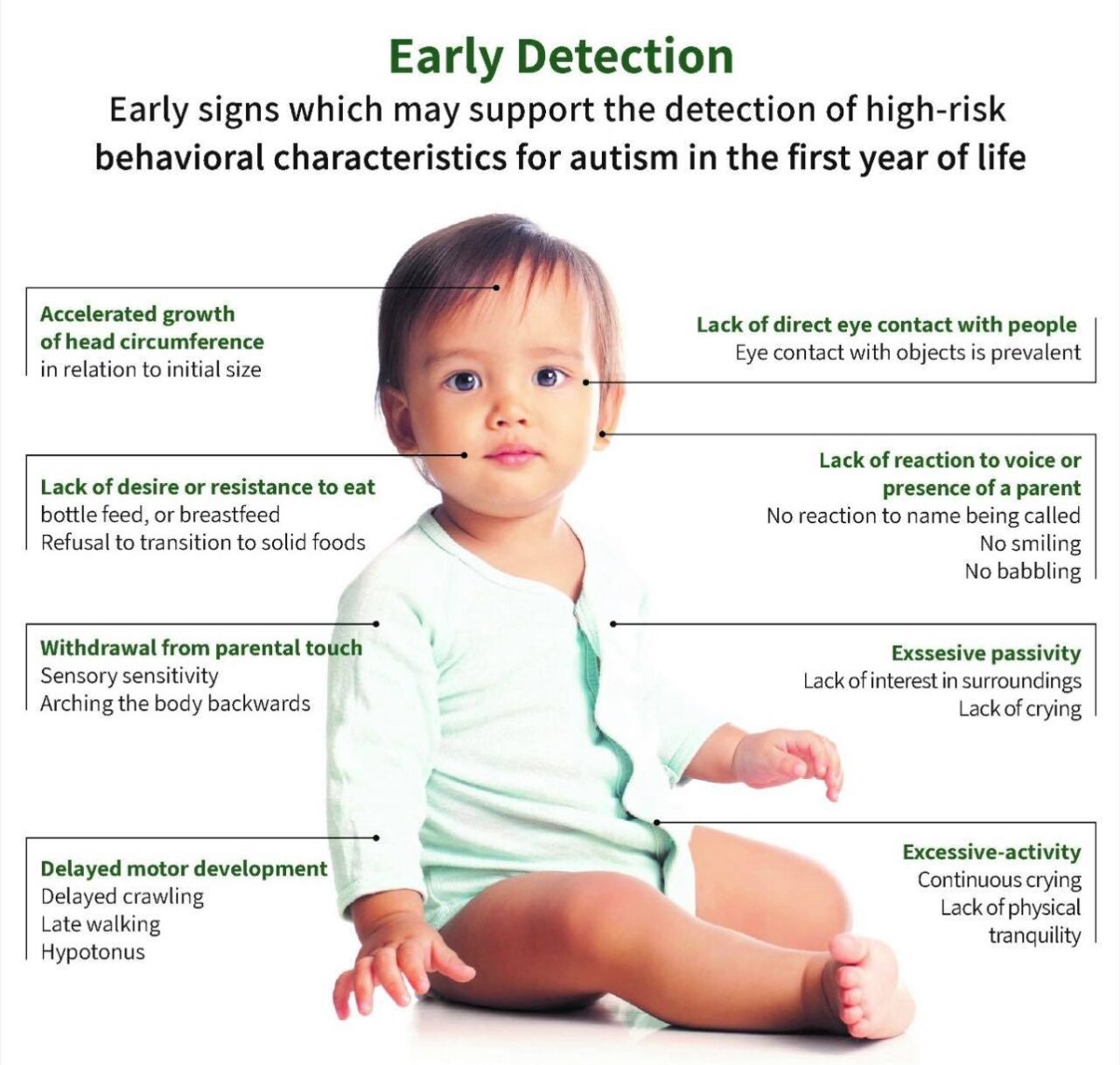
Behavior Features Of Youngsters With Autism
- Every success story shows that with the appropriate strategy, kids can attain unbelievable progression in psychological development.It's essential to keep in mind you may not understand why your youngster obtains activated by specific things.On the other hand, disasters are intense responses defined by a complete loss of control, frequently triggered when the person really feels overloaded or unable to manage sensory input.Early treatment and medical diagnosis are crucial for supporting individuals with autism.
" [These kids] do not utilize items for pretend play-- things like grabbing a sponge and utilizing it as a pretend phone," she claims. Play-feeding a doll or pretending the sofa is a vehicle or train are other examples. If this kind of pretend play hasn't started by 18 months, that's a warning sign, keeps in mind the CDC. One in 68 children have autism, and the condition is approximately five times more probable to impact young boys than ladies. In the end, understanding ASD behavior is not nearly taking care of difficulties or implementing strategies.
This teamwork is essential, as it ensures that treatments are consistently applied throughout various settings, developing a unified strategy in attending to a kid's needs. Including these approaches within a tailored assistance plan makes sure that each youngster gets the concentrated focus they require, fostering their development and reducing behavior obstacles effectively. Lastly, it is important to ensure all involved-- instructors, caregivers, and family members-- are taken part in the strategy's regular application. Regular interaction promotes adherence and allows for modifications based upon information and monitorings. These consist of innovative parental age, prenatal direct exposure to damaging compounds, and birth issues that can influence neurological advancement.
Requirement Personalized Assistance?
The secret is to identify that everyone's experience of autism is special and deserving of personalized understanding and support. Dr. Rachael Muscatello is a Study Assistant Professor in the Division of Psychiatry and Behavioral Sciences at Vanderbilt College Medical Center (VUMC). She received her PhD in Neuroscience from Vanderbilt College in 2020 and completed her postdoctoral fellowship at VUMC.
Individualized strategies, such as Actions Assistance Strategies (BSP), are vital for sustaining children with autism in institution environments. These plans particularly target the special challenges encountered by these children, including concerns like hostility, self-injury, and noncompliance. By placing focus on recognizing actions as interaction, teachers can much better reply to specific requirements, inevitably improving the general quality of life for children with autism. Different treatments and customized assistance plans play an important duty in treatment success. For instance, Actions Treatment Strategies (BIPs) are created based on Practical Behavioral Analyses (FBAs), which determine the factors behind particular behaviors. BIPs lay out specific strategies for favorable support and actions administration. The overview consists of information about services, resources, & assistance readily available to military family members. Cognitive Behavioral Therapy (CBT) approaches can be particularly useful for individuals with ASD that deal with stress and anxiety or clinical depression. It resembles mentor someone to be their own detective-- recognizing Autism & Anxiety Disorders unhelpful idea patterns and developing approaches to challenge and change them.
